




















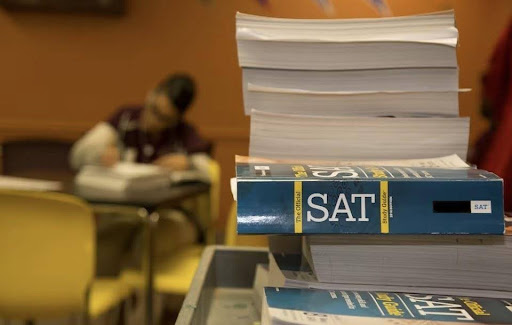
The PSAT and the SAT are approaching rapidly, with exam dates set for April 14, 15 and 16. Lower and upperclassmen will be required to take the exams, with the exception of opting out.
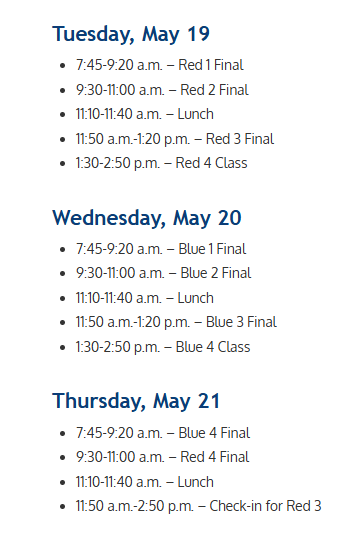
Freshmen will test on April 14; sophomores will test on April 15, while juniors will be required to take both the SAT and CMAS on April 16. All students must attend afternoon classes post-exams. With many different options to meet graduation requirements, how many people will be taking the SAT? And what percentage of students actually prepare for these exams?
The SAT is just one of many ways to meet graduation requirements; Typically, students take the ASVAB, ACT, complete a capstone project or enlist in other options listed here (ColoradoEDU). The SAT is generally an advisable option as the exam is required for the majority of colleges and universities, as well as some careers in major industries.
The turnout for the exam pool is still unclear, but it is suspected that a majority of students will still be taking the test. However, subtle advances in technology and artificial intelligence may have detracted students from good academic standing and study habits.
Additionally, when junior Riley Miguelgorry was asked how he prepares for exams, he stated, “I’m currently doing study prep in my English and Algebra classes through Bluebook. I typically use the process of elimination to choose the best answer. In all honesty, I’m quite nervous as I need to pass the SAT to graduate.”
Furthermore, students have different methods and practices on how they choose to use their time leading up to the SAT, as Miguelgory said. “I typically use a process of elimination to choose the best answer,” meaning students’ willingness to prepare all depends on their motivation and future goals.
Moreover, these tests are used to measure student growth and academic success; however, there will likely be a more significant group of students not taking the exam. Students may opt out; however, by not participating in the exam, students are required to take another exam or project to meet graduation requirements. Those who don’t test may also lack clear knowledge of their growth or comprehension skills.
As said, these tests are important to measure student understanding and comprehension skills. Junior Santonio Estroil explained why he is taking preparation for this exam seriously and how it may impact future opportunities. He stated, “I try to recount information that we learned during class lessons; notes, study guides, and even some homework problems better help me understand how to solve the equation”.
Thus, it is important to properly prepare for the PSAT/SAT, as it could impact future career and academic opportunities. As Estoril stated, it’s a social norm and has been traditional for decades in American high schools. The SAT is a great way for students to demonstrate improvement and comprehension of academic skills.