













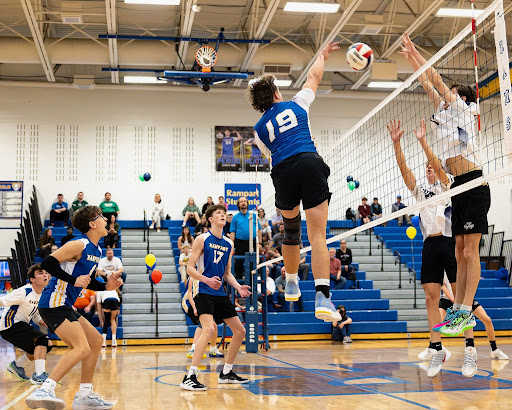












According to a psychological study, later start times at school have been proven to be more beneficial than earlier ones. Later start times improve students’ mental health, physical health and academic performance.
In the past 25 years, over 500 school districts nationwide have implemented later start times, with some going as far as to pass legislation stating that schools are to start no earlier than 8:30 a.m.
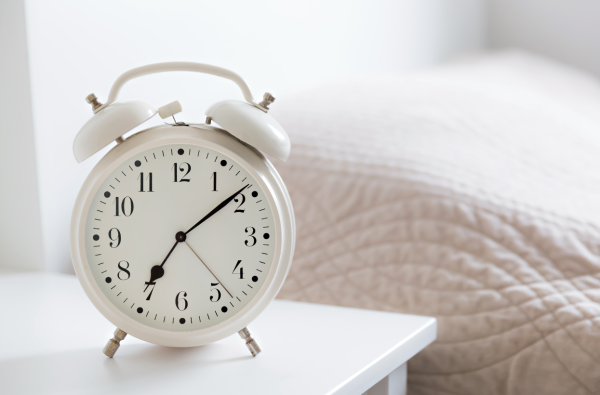
Research published by the American Psychological Association (APA) says that very few teens are getting the recommended 8-10 hours of sleep per night.
“Between 2009 and 2021, the percentage of high school students who did not get enough sleep increased from 69% to 77%, according to data from the CDC National Youth Risk Behavior Surveys. In 2021, nearly 70% of 9th graders, and 83.5% of 12th graders, failed to get enough sleep,” APA stated.
Some of the factors that play into the severe lack of sleep among teens are heavy homework and stress loads, shifts in circadian clocks and neurological/psychological disorders.
Another biological factor impacting sleep is the phenomenon known as “sleep phase delay.” Teenagers experience a boost of energy around 9:30 or 10 p.m., making it difficult for teens to get to bed at an hour that would provide proper sleep.
These issues impact all teenagers and is why later start times are so crucial for their development and well-being.
A meta-analysis, which is several psychological studies and research findings combined into one source, discovered that schools starting between 8:30 and 8:59 a.m. had “longer sleep duration, less negative mood, and better developmental outcomes including socioemotional health, cognitive development, behavioral health, and physical health,” as well as better attendance.
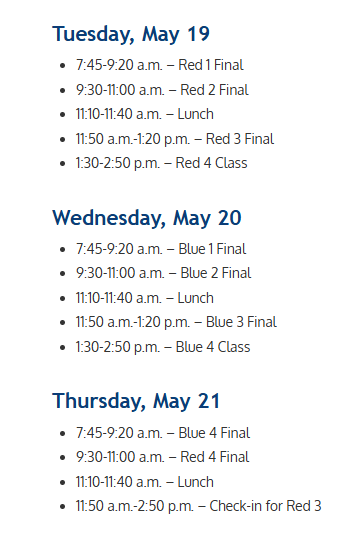
According to an article published by Kyla Wahlstrom, a senior research fellow at the University of Minnesota, the hormone ‘melatonin’ is produced from about 10:45 p.m. to 8:00 a.m., meaning at Liberty High School’s current start time of 7:45 a.m., there are still levels of melatonin being produced. Wahlstrom shares similar views to the APA, quoting sources that also state a start time of 8:30 a.m., or later, would be the most beneficial.
When we sleep, we convert knowledge from short-term, to long-term through ‘sleep spindles.’ These spindles occur near the end of a full night of rest and can get cut off if students are required to wake up before they can achieve sufficient sleep. These impacts learning and academic performance negatively.
If students do not have the ability to convert information learned in the classroom into long-term knowledge, it puts them at risk of falling behind.
These are just a few of the reasons why a start time of 7:45 a.m. is harboring students’ potential and is why Liberty should start at 8:30 a.m. or later. This would maximize student performance and allow them adequate sleep time.

Malena • Dec 13, 2025 at 12:27 pm
PREACH