

















In Colorado, 15% of service workers in corporate industries are those of under 18 years of age (Colorado Fiscal Institute) making up the majority of entry level jobs in not only Colorado but across the country. On paper, these jobs are beneficial; Minors have the potential to make an income and build savings while also gaining work experience. However, these jobs come with far more than meets the eye; underaged individuals are often taken advantage of by corporations through labor law violations, unsafe working conditions and immense responsibility in exchange for low wages.
Additionally, a larger percentage of employees being minors means companies tend to overlook youth labor laws. According to (isolved.com) Child Labor violations have surged by 69% since 2018, with over 835 companies found violating laws in the last fiscal year. These violations have directly impacted over 5800 underaged workers, often resulting in excessive hours and dangerous work. (goodjobsfirst) reports $27 Million in penalties against thousands of companies.
Personally, I and many others have fallen victim to mass corporations taking advantage of minors, particularly when it comes to receiving mandatory breaks and working an excessive amount of hours in a given school week. Colorado State Law requires that employers issue a 10 minute paid rest break for every four hours worked, and a 30 minute unpaid meal break for any shift that exceeds five hours. The food industry primarily violates these procedures, with me and my coworkers working six to eight hours continuously without reasonable time for a break. No breaks have led me and my peers to struggle mentally, especially with medical conditions- as we become increasingly tired and lack the ability to do tasks, and it seems like management doesn’t seem to care.
Without a set time for a break, employees risk increased stress, burnout, fatigue and reduced productivity. In turn, the work environment becomes unsafe with individuals including minors risking physical and mental fatigue. Therefore, younger employees need to be prioritized for their health and breaks.
Furthermore, working conditions directly affect employees through their environments. A dangerous workplace typically includes unguarded machinery, toxic exposure, structural risks, and extreme temperatures (OSHA).
Far from just working conditions, young staff including myself often work with troubled individuals; due to a lack of background checks, drug tests, lenient company policies and a high turnover rate. Many entry level jobs often hire felons; meaning minors are exposed to aggravated and impulsive behavior- some lacking boundaries and self-control.
Similarly, myself and younger staff are constantly exposed to these conditions; large indoor facilities with poor ventilation often means we inhale chemicals and are exposed to high temperatures. Jobs that directly serve the public often means you can encounter anything; including threats, inappropriate behavior from those of authority and the need to deescalate situations that could become dangerous. Myself and other staff need to have a backbone from upper management to ensure different concerns and situations are resolved in a reasonable and a professional manner.
Moreover, the increase in minimum wage has led employers particularly in low-wage sectors like retail and food service-to cut worker hours or reduce staff to manage costs (Forbes). As a result; staffing becomes a problem since companies can no longer afford to pay as many employees- leading workers including minors to typically do the job of multiple people to ensure company needs are met.
When understaffed; many procedures and safety priorities are overlooked to properly accommodate the shortage. Myself and other coworkers are responsible for the lives of others, along with delivering quality products in a timely manner. Employees cannot properly provide excellent work and service if the staffing is lacking- a potential solution would be more automated features if companies are looking to cut costs and engage in employee productivity. A young employee cannot be responsible for a whole store’s productivity, so I think companies should anticipate call-off’s and schedule to both staff and company needs.
Corporations need to fully consider the needs of their younger employees if they strive for a functional and productive workforce. Minors are expected to work late hours into the day and give up their state of wellbeing just to be flexible and follow guidelines of corporations. Improvements should be made; Younger staff deserve lenience for breaks during longer shifts to better follow state law. So forth- health and safety concerns need to be addressed so staff can work in ventilated areas around safe individuals.
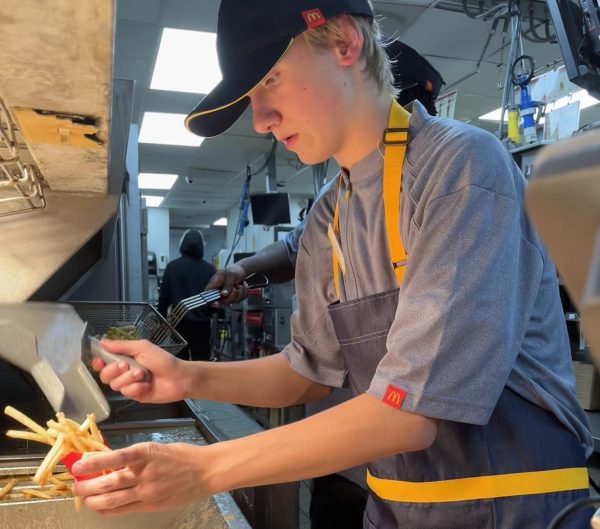
All that being said, I’ve noticed new accommodations in place to ensure labor laws are being followed. The Mcdonald’s corporation recently implemented a new feature to employee uniforms; In which employees wear black and red hats to distinguish between staff members based on age. Along with the Great wolf lodge company; only allowing younger pack members to work P.M. shifts at any time. So one could say companies are stepping up to align with labor ordinances; but I still believe there is much room for improvement.