




















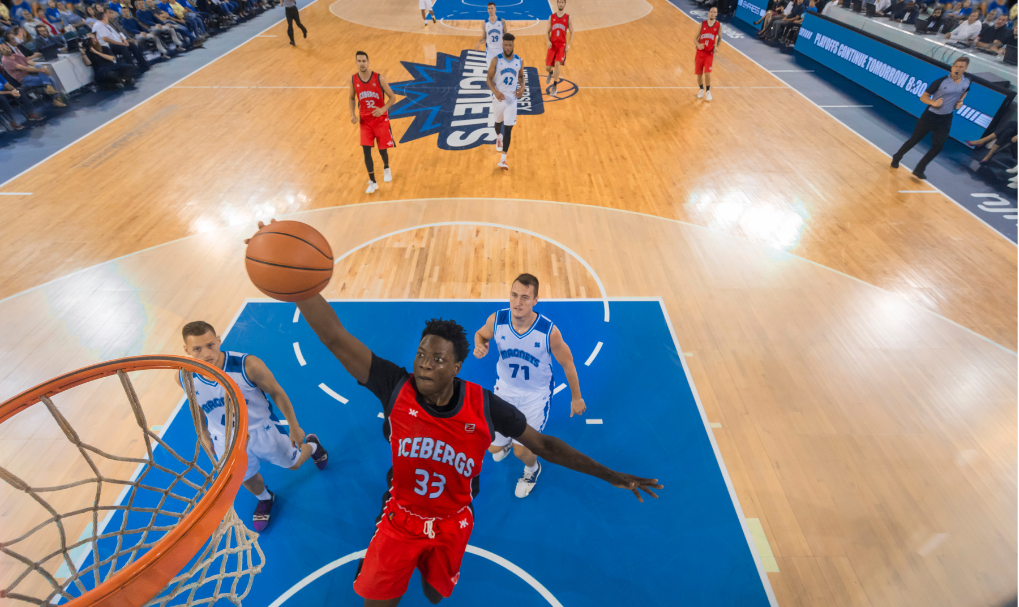
An estimated 2000 division one college basketball players entered the transfer portal after the end of the 2025-2026 season.
In recent years, the use of the transfer portal has become way more common than when it was in its early years. In fact, out of the top 100 players, over 90% chose to enter the portal in 2026.
This may be in part to the new 2026 rule added stating that players do not have a limit as to how many times they can transfer. This rule was an extreme change to the transfer portal, since a rule established in 2021 said players were only allowed to transfer once.
The unlimited number of transfers allowed may not be the only thing impacting a player’s decision to leave their school, however.
Prior to 2021, college athletes were prohibited from engaging in any endorsements that would monetize their personal “brand”.
This all changed on July 1, 2021 with the establishment of Name, Image, and Likeness (NIL).
NIL allows college athletes to receive compensation without losing NCAA eligibility. Under NIL, athletes are allowed compensation for endorsements, appearances, social media promotion and more.
Now, athletes often get brand deals with huge athletic brands such Nike, Adidas, Gatorade, and Powerade.
For popular conferences such as the Big 12, the average roster across all 16 teams cost about $8.6 million for the 25-26 season, with teams like Iowa State and the University of Kansas (KU) being the two biggest spenders in the conference.
NIL and the Transfer Portal have created an enticing environment for college basketball players who are hoping to get more NIL money at a different school in their next season.
For example, KU center and Big 12 Defensive Player of the Year Flory Bidunga entered the transfer portal after his 25-26 season. At KU, Bidunga’s NIL package was about $2.5M.
Bidunga likely believed he was worth more than that, as when he announced his entry to the transfer portal, he also revealed he hoped to receive a new NIL deal of $5M.
So, how do these two additions into college basketball culture impact the sport as a whole?
The Transfer Portal and NIL make it hard for most teams to maintain a sense of stability and security going into the following season. Any chemistry the team worked to establish throughout the season is erased once players start entering the portal.
Some teams are losing as many as nine players, while the average across all teams is 3.1. The Atlantic Coast Conference experienced the most entries into the portal with 97 entries into the portal from 18 different schools.