









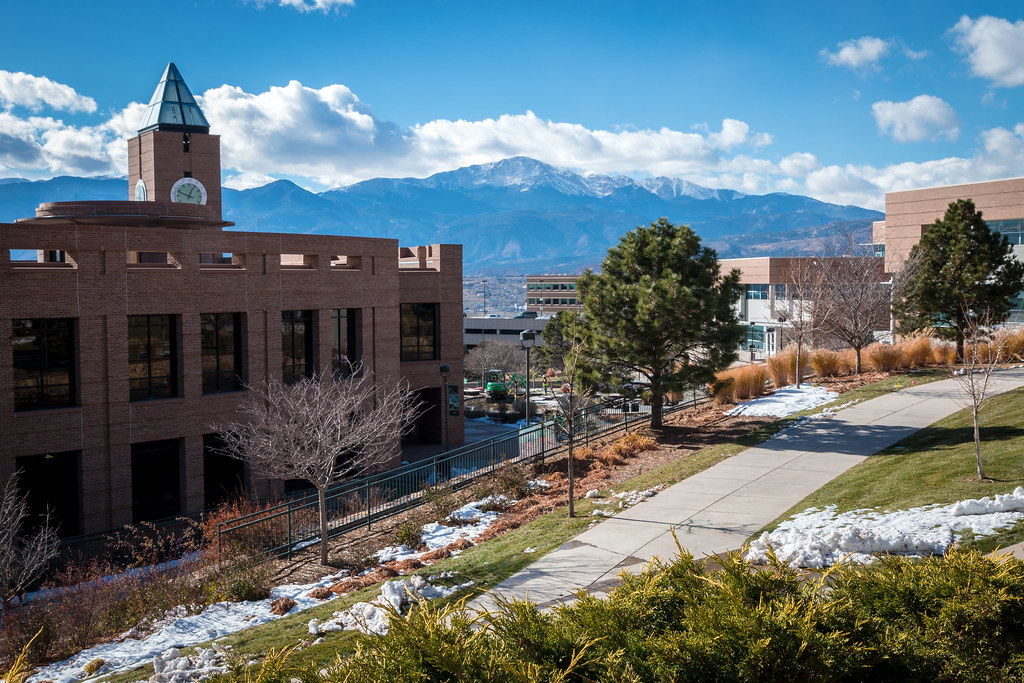















For students, snow days often feel like a rare gift — a day to sleep in, relax and enjoy the weather without worrying about schoolwork. However, while students celebrate an unexpected break, teachers are often left figuring out how to recover lost time and keep their classes on track.
Teachers plan their lessons weeks, sometimes months in advance. When a snow day interrupts that schedule, even a single missed class period can force teachers to adjust unit plans, reschedule assessments or cut content entirely.
Despite the inconvenience, many teachers agree that safety should always come first. Amy Scoggins, a teacher in Liberty’s English department, emphasized that weather conditions ultimately determine whether a snow day is worth the disruption.
“I want students (and staff) to be safe, and if it is not safe to get to school, then we should absolutely have a snow day,” Scoggins said. “If a snow day results in having to modify my plan for the semester, then so be it.”
While snow days affect every class, the way teachers recover varies by subject and timing. In some cases, a single snow day only causes a small delay. Scoggins explained that if just one class day is missed, she often modifies the following lesson to stay close to schedule.
However, multiple snow days can create bigger challenges. Teachers may need to reevaluate entire units and decide which lessons are essential and which can be shortened or removed.
Math teacher Annie Whipple shared that snow days can sometimes force difficult decisions about pacing and content.
“Sometimes we have to take some lessons out or rearrange our schedule,” Whipple said. “We want to make sure students have enough time to learn the content, so if we have to take more time to cover it, we will.”
Not all teachers see snow days as a major issue. Science teacher Erica Lingle explained that her department usually has enough flexibility to absorb a missed day without major consequences. When asked if she’d rather have a snow day & risk being behind in her classes, or not have a snow day & stay on schedule, she says:
“Snow days, [we] usually don’t get that far behind for the few we have,” Lingle said, rating the overall impact of snow days as five out of ten.
Still, some classes may feel the pressure more than others. According to Lingle, Advanced Placement courses may be more affected due to their stricter pacing and exam schedules.
Beyond academics, several teachers acknowledged that snow days can provide a much-needed mental reset. Whipple noted that while snow days disrupt planning, the break can be beneficial.
“We are on such a tight schedule that it does affect our lesson planning, but a break is much needed,” she said.
Looking ahead, teachers expressed different opinions on how snow days should be handled. Scoggins suggested having a set number of traditional snow days each semester before switching to e-learning, while Whipple said she would prefer all snow days to solely remain as in-person cancellations rather than virtual learning days.
Although snow days may only last a day, their impact can extend far beyond the weather. Behind every cancellation is a teacher carefully adjusting lessons, priorities and pacing — all to ensure students continue learning without feeling overwhelmed.