
























In a world where silence is filled by scrolling and every free second is swallowed by notifications, boredom feels like something to avoid at all costs. We reach for our phones in line at the store. We turn on a show while eating. We text, scroll, refresh. For teenagers especially, boredom has become almost unacceptable.
But what if boredom isn’t a problem? What if it’s actually good for the brain?
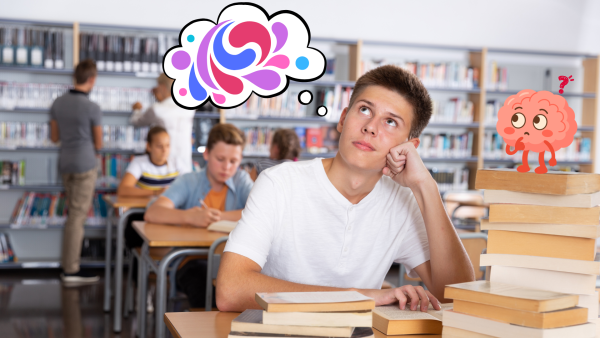
In reality, boredom gives your brain something it rarely gets anymore: space. When we’re constantly entertained, our brains are always reacting; to videos, to messages, to updates. There’s no room to think beyond what’s directly in front of us. But when we’re bored, our brains shift into what neuroscientists call the “default mode network.” This is when the brain isn’t focused on outside tasks but instead turns inward. That inward focus is where imagination, reflection, and creativity begin.
Some of the most creative ideas don’t happen when we’re busy — they happen when we’re bored. Think about it, how many childhood games were invented out of pure boredom? How many stories were written, songs composed or businesses imagined because someone had “nothing to do”? When teens experience boredom, they’re more likely to daydream, problem-solve and create. Without constant stimulation, the brain starts to generate its own.
Boredom also builds emotional strength. Teenagers are still developing the part of the brain responsible for decision-making and self-control. If we never learn to sit with discomfort — even the mild discomfort of boredom — we may struggle with patience and impulse control later on. When teens immediately escape boredom with screens, they train their brains to expect constant stimulation. Over time, that can make it harder to focus on slower, more demanding tasks like reading, studying or practicing a skill.
Learning to tolerate boredom strengthens attention span. It teaches delayed gratification. It builds resilience.
There’s also something important about the way boredom connects us to ourselves. When there’s nothing to distract us, our thoughts surface. We reflect. We process emotions. We consider who we are and what we want. In adolescence, a time of identity formation, self-reflection is crucial. Constant distraction interrupts that process.
Of course, not all boredom is beneficial. Chronic boredom without purpose can lead to frustration. But occasional boredom, the kind that happens on a quiet afternoon or during a phone-free moment, is healthy. It pushes teens to engage with the world more deeply rather than just passively consuming it.
The next time you feel bored, resist the urge to eliminate it instantly. Don’t reach for your phone right away. Let your mind wander. Let it feel uncomfortable for just a minute. You might discover an idea, a goal, or a new interest hiding underneath that restless feeling.